
036: the quiet power of empathy at work with suzanne massel

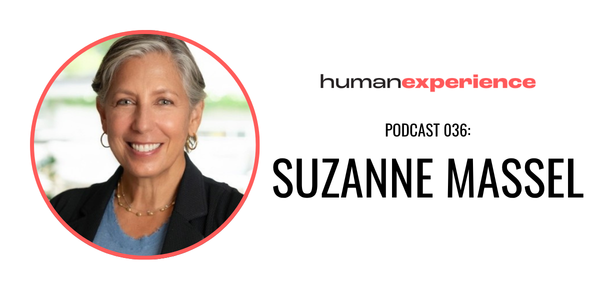
In this conversation, Deb welcomes HX Ally Suzanne Massel to explore what happens when achievement gives way to reflection, and when reflection reshapes how we lead, work, and connect.
“Without the human, AI means nothing.” – Nehal Gandhi
There are moments in a professional life when success alone stops feeling sufficient. Titles, longevity, credentials. They matter, but they do not always answer the deeper question of meaning.
Suzanne’s journey from decades as a trial attorney and in-house counsel to certified professional coach was not simply a career pivot. It was a recalibration. A cancer diagnosis, now thankfully behind her, became a forcing function. Rather than asking how to advance, she began asking how to elevate. What emerges in this conversation is not a rejection of ambition, but a reframing of it. Flourishing, particularly at work, is not ornamental. It is structural.
At the heart of their dialogue is a tension many leaders feel but rarely name. Remote and hybrid work have brought flexibility and freedom, yet something more subtle has been eroding beneath the surface. Chance hallway conversations. Informal mentorship. The quiet building of trust that happens through proximity. Suzanne argues that while removing friction makes life easier, it can also quietly remove the conditions that cultivate connection. And without connection, performance becomes transactional.
What begins as a discussion about workplace culture expands into something broader. Empathy, often mislabeled as softness, is reframed as strategic strength. Trust is not a perk. It is the mechanism through which motivation deepens and engagement becomes voluntary rather than obligatory. Human flourishing, in this context, is not abstract philosophy. It is disciplined leadership.
Key Highlights:
Why removing friction from our work lives may also be removing the conditions that build trust
The difference between employees who comply and employees who commit
How empathy operates as a performance multiplier, not a sentimental gesture
What leaders misunderstand about “soft skills” and why that misunderstanding costs them
The quiet ways hybrid work reshapes professional development for younger talent
The 3-by-30 Takeaway
Audit your leadership moments this week. Where are you focused solely on outcomes instead of understanding context? Adjust your approach without lowering the standard.
Create one intentional in-person or synchronous connection opportunity that is not purely transactional. Protect it from becoming just another meeting.
Reframe empathy in your own language. Instead of asking, “Am I being too soft?” ask, “Am I creating the conditions for people to want to deliver?”
About Our Guest:
Suzanne Massel is a certified professional coach who works with attorneys, executives, and professionals navigating growth, transition, and leadership complexity. After more than three decades practicing law, including more than twenty years as a litigation partner and subsequent in-house leadership roles, Suzanne developed a deep understanding of how individuals experience success, pressure, and change inside organizations.
Today, she helps clients reconnect with their values, clarify their goals, and design practical strategies that align achievement with meaning. Her work sits at the intersection of personal insight and professional development, helping individuals build careers that reflect not only ambition but authenticity.
Connect with Suzanne Massel
Connect with Suzanne on LinkedIn
Learn more about Suzanne
About The HX Collective:
The HX Collective explores the human experience through three lenses: work, relationships and self, through raw, authentic conversations rooted in human-centered design. Each episode offers gripping stories, thought-provoking discussion, and concrete tools that help you rethink your relationship with distress and strengthen your whole human experience.
