
38: the slow work of becoming yourself with suzanne massel

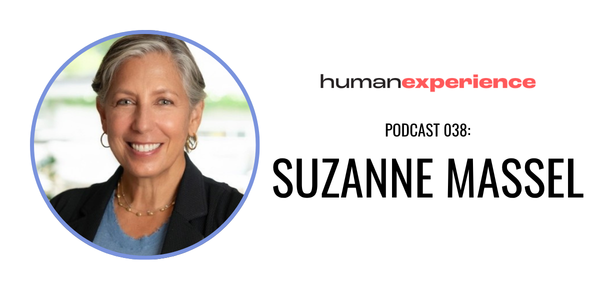
In this episode, Deb sits down with HX Ally Suzanne Massel to explore the third lens of human flourishing: the relationship we have with ourselves.
“Once you understand what truly matters to you, you begin making decisions by choice instead of by default.” – Suzanne Massel
After examining flourishing through work and relationships, the conversation turns inward to the quieter question that often sits beneath professional success. What happens when we pause long enough to ask whether the life we have built is actually aligned with who we are?
Deb’s conversation with Suzanne centers on a tension many high performers eventually encounter. Careers are built, milestones are achieved, and yet something still feels unsettled. Suzanne suggests that much of this friction comes from living according to narratives we inherited rather than values we have consciously chosen. Coaching, in her view, creates the rare space to step back and examine those assumptions. When people begin identifying what truly matters to them, the source of that internal dissonance often becomes clearer.
What unfolds is a practical conversation about awareness. Suzanne describes how even simple exercises, like identifying personal values, can create powerful moments of clarity. Many people move through demanding careers without ever turning that lens inward. When they do, they begin to see how small decisions, made with intention, can reconnect their work and their lives to something more meaningful.
Underlying the entire episode is the idea that flourishing is less about adding more achievements and more about clarifying what belongs. Suzanne shares a metaphor that captures this shift: rather than stacking more onto our identity, growth can look like carving away what no longer matters. When that clarity begins to take shape, people often find something that had been missing before. A sense of grounded confidence in the direction they are choosing next.
Key Highlights
Why misalignment between values and daily work often shows up as burnout or dissatisfaction
The surprisingly powerful impact of identifying personal values for the first time
How coaching helps people move from reactive decision-making to conscious choice
The importance of the “pause” between stimulus and response in shaping outcomes
Arthur Brooks’ “jade block” analogy and the shift from adding more to carving down to what truly matters
The 3-by-30 Takeaway
Take time this week to identify your core values. Even naming three or four can create surprising clarity about the decisions in front of you.
Practice the pause when something triggers a strong reaction. A brief moment of reflection can shift the outcome of an entire interaction.
Instead of asking what you should add next to your résumé or achievements, ask what might no longer belong in your definition of success.
About Our Guest
Suzanne Massel is a certified professional coach who works with attorneys, executives, and professionals navigating growth, transition, and leadership complexity. After more than three decades practicing law, including more than twenty years as a litigation partner and subsequent in-house leadership roles, Suzanne developed a deep understanding of how individuals experience success, pressure, and change inside organizations.
Today, she helps clients reconnect with their values, clarify their goals, and design practical strategies that align achievement with meaning. Her work sits at the intersection of personal insight and professional development, helping individuals build careers that reflect not only ambition but authenticity.
Connect with Suzanne Massel
Connect with Suzanne on LinkedIn
Learn more about Suzanne
About The HX Collective
The HX Collective explores the human experience through three lenses: work, relationships and self, through raw, authentic conversations rooted in human-centered design. Each episode offers gripping stories, thought-provoking discussion, and concrete tools that help you rethink your relationship with distress and strengthen your whole human experience.
